

The Joy of Play: Exploring the Benefits and Importance of Play in Our Lives
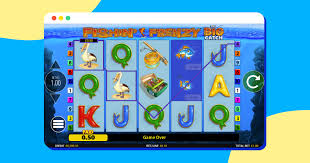
Play is not just an activity seen in childhood; it is a crucial part of human development and remains significant throughout our lives. From childhood games to adult hobbies, play influences our creativity, social interactions, and overall happiness. One delightful way to experience play is through games like play Fishin Frenzy, which blend fun, strategy, and sometimes even competition. Understanding the nuances of play helps us appreciate its role in our personal satisfaction and societal connections.
Why Play Matters
At its core, play is a way through which individuals explore the world, try new ideas, and enhance their problem-solving skills. Psychologists and educators have long recognized the developmental benefits of play, especially in children. Engaging in play allows for emotional, social, and cognitive growth. Here’s how:
- Creativity: Play fosters imagination. When children engage in role-playing games, they invent scenarios and solve problems within their created worlds. This imaginative play transitions into adult creativity in arts, work environments, and innovation.
- Social Skills: Cooperative play among peers teaches sharing, empathy, and negotiation. Whether kids are building blocks together or playing tag, they learn to connect with others, which is a foundation for strong relationships.
- Problem Solving: Many games require players to strategize and think critically. This aspect of play develops not only cognitive abilities but also resilience as individuals learn to deal with wins and losses.
The Different Types of Play
Play manifests in various forms, each serving different purposes. Understanding these can help us engage with play more effectively:
- Physical Play: Activities like tag, sports, or dance fall into this category. Physical play promotes health and fitness while also enhancing motor skills.
- Symbolic Play: Often found in the imaginative scenarios of children, symbolic play allows participants to represent objects or ideas beyond their literal meaning, fostering a deep understanding of the world.
- Social Play: This includes games played with friends or family and fosters community. It can range from board games to team sports.
- Structured Play: Sports and organized activities exhibit structure. Players follow rules, helping them learn teamwork and discipline.
- Free Play: Unstructured, this type of play allows individuals freedom to explore and dictate the terms of their engagement, which can be profoundly liberating.
Play Across the Lifespan
The concept of play extends beyond childhood, playing a significant role throughout different life stages:
Children
For children, play is the primary source of learning. It encourages cognitive development and social interactions, serving as the basis for building relationships with peers and understanding their environment.
Adolescents
As children grow into teenagers, play often shifts form. It can involve competitive sports, video games, or creative pursuits like music and arts. The interactions during this stage help adolescents navigate social dynamics and build self-esteem.
Adults
Play doesn’t cease in adulthood. It takes on new forms such as hobbies, sports, and social gatherings. Engaging in play helps adults manage stress, build relationships, and maintain cognitive health. Play is crucial for work-life balance and overall well-being.
The Importance of Incorporating Play into Daily Life
In our fast-paced, increasingly digital world, finding time for play can be challenging but essential. Incorporating play into daily routines can enhance overall quality of life:
- Boosts Well-Being: Engaging in playful activities can elevate mood and reduce stress, significantly contributing to mental health.
- Enhances Relationships: Whether through sports or board games, play strengthens bonds between family and friends.
- Encourages Learning: Playful activities present opportunities for learning information in a fun, engaging manner, aiding memory retention.

Barriers to Play
Despite its benefits, many factors inhibit play. These include:
- Time Constraints: Busy schedules can limit opportunities for play, particularly for adults and parents with numerous responsibilities.
- Technology Overuse: While some tech can facilitate play, excessive screen time often replaces physical or social play, leading to feelings of isolation.
- Social Stigma: Adults may feel embarrassed to engage in activities deemed childish, forgetting the innate benefits of play.
Encouraging Play in Our Lives and Society
Encouraging a culture of play often begins with awareness and deliberate action:
- Create Play-Friendly Environments: Schools and workplaces should consider integrating spaces and activities that promote play.
- Model Playfulness: Adults should embrace play, demonstrating its value to younger generations.
- Incorporate Play in Work: Many companies now use gamification strategies in the workplace to promote collaboration and innovation.
The Future of Play
As we move forward, the role of play is predicted to evolve. The rise of technology may bring about virtual play environments, but the essence of connection and creativity should remain central. It’s essential to recognize that play serves more than just entertainment; it fosters community, nurtures relationships, and supports mental health. Future generations may redefine play, but the need for its presence in our lives will endure.
Conclusion
In sum, play is vital from early childhood through adulthood, offering a plethora of benefits that shape who we are. Whether through casual games like Fishin Frenzy or more structured sports, play is an indispensable part of life. Broadening our understanding and appreciation for play allows us to harness its power fully, enriching our lives and the lives of those around us. It is never too late to discover new ways to incorporate play into our routines, ensuring we enjoy the fundamental joys of being human.